Which panels this page is for
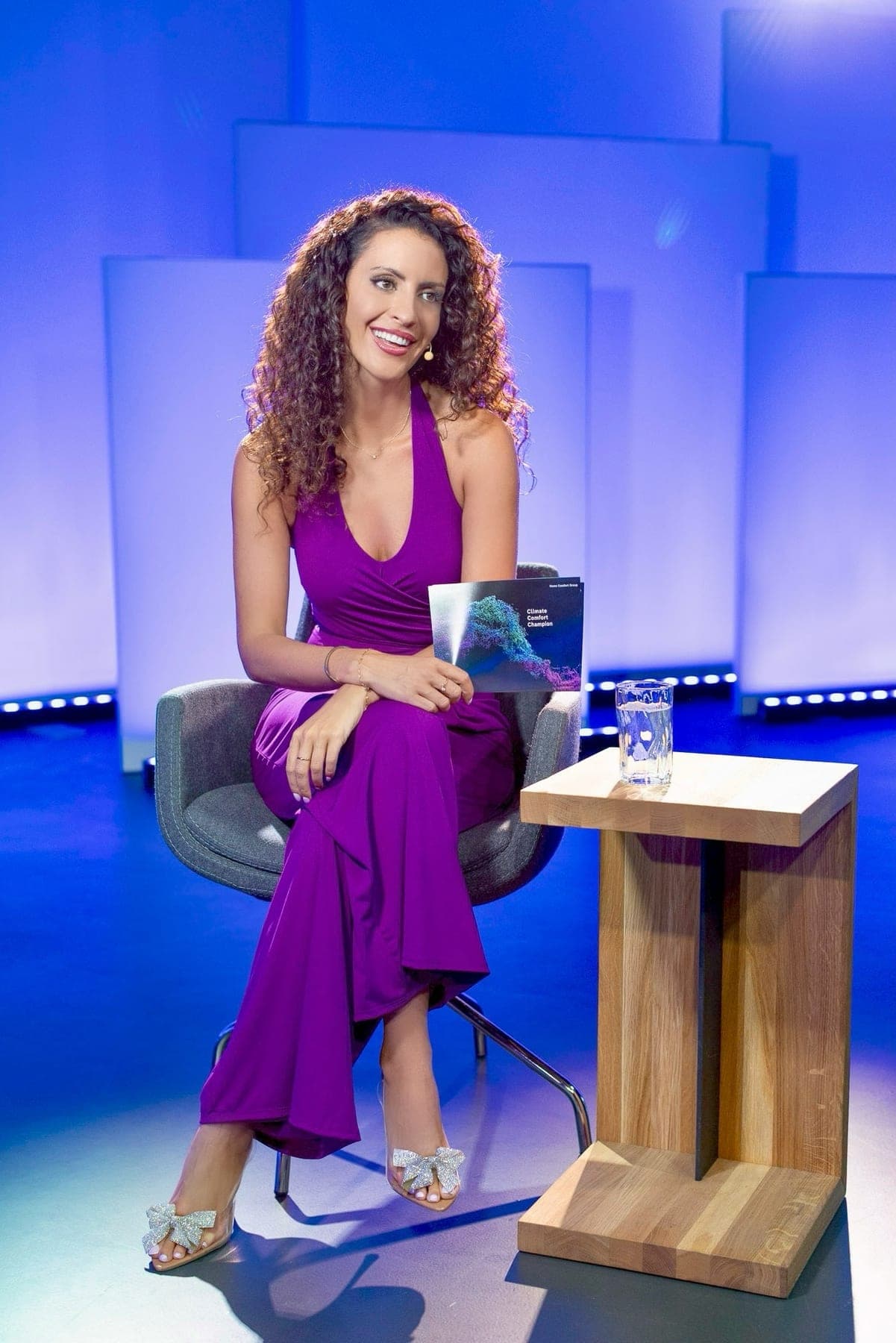
This page is for everyone planning a panel discussion with a fixed date who needs to propose a moderator. The request usually comes from the event team, corporate communications, an association or the agency organising the evening. The typical panels look like this:
Panel at an industry conference
Four experts, one contested topic, 45 minutes in the programme. The panel usually closes a block of talks and has to keep the energy in the room instead of repeating the presentations with the roles reshuffled. The moderator knows the talks of the day and builds on them. If the panel is part of a full conference, Jasmin Wölke can take on both. How that works is described on the conference moderation page.
Association panel
Board members, members and guest speakers debating in front of their own audience. These are often the trickiest panels, because everyone knows each other and will work together again tomorrow. This is exactly where it takes someone from outside who asks the question nobody asks internally, while keeping the tone an association owes its guests.
Internal panel and town hall
Leadership and departments speaking openly about a change of course, a restructuring or a new target. The value of the session stands or falls with whether the critical voices from the workforce are heard. The moderator collects questions in advance and from the room and makes sure the answers get concrete.
Panel with international guests
A discussion in English or switching between both languages, with guests at home in different languages. Here the language plan decides a good part of how lively the conversation becomes. More on that below in the section on languages. Panels like this typically sit inside events with an international programme, such as a congress with an English-language main stage. What applies to the whole stage there is described on the congress moderation page.
Fireside chat and stage interview
The related format: one person instead of four, more closeness, more trust. It looks easier but demands the same preparation, because without real questions the fireside chat turns into a commercial break. The same rules apply: a pre-call, real questions, a clear time frame.
Why a panel stands or falls with its moderator
A panel discussion is the most demanding format on any stage. Without guidance it turns into a row of monologues. The most talkative guest dominates, the quietest never gets in, and audience questions are cut for time.
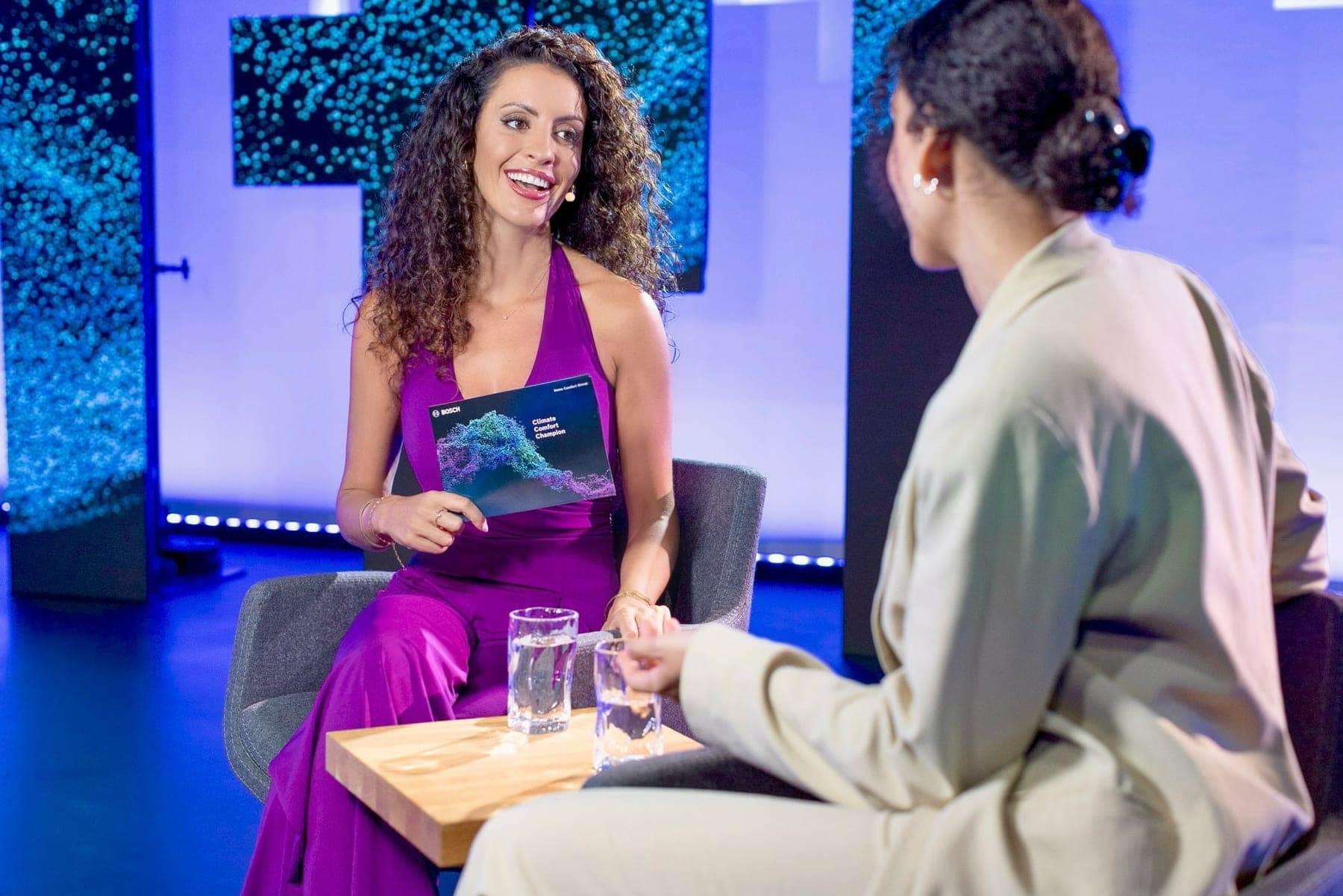
A good moderator prevents exactly that. She asks questions that cannot be answered with a prepared statement. She interrupts politely when someone runs long. She brings in the voices that do not push themselves forward. And she keeps the clock in view without making the conversation feel rushed.
Then there is neutrality. Someone from your own organisation sits inside the topic and the hierarchy. An external moderator can push back, even with your own board on stage. When that pays off is explained on the page when an external moderator makes sense.
Two engagements at this scale
Both references are listed with full numbers under references. At SAP's Tech Leadership Forum, Jasmin Wölke hosted eight expert panels and fireside chats. Two days, more than 300 executives, entirely in English. At Bosch's Global Sales Summit she guided keynotes, panel discussions and interactive sessions bilingually, in front of over 500 participants from 40 countries.
Her foundation goes beyond stage routine: more than ten years at Robert Bosch in international sales and marketing, with earlier roles at SAP and in the Volkswagen Group. She understands the topics being discussed, so she follows up where others just pass the microphone.
How she prepares your panel
The work starts well before the event. After the briefing, Jasmin Wölke reads into the topic. She then speaks with every guest on the panel in advance. That tells her where positions differ and where the conversation can catch fire. From this she builds a question arc with real dramaturgy: opening, escalation, audience questions, a clean ending.
Aligned questions do not mean scripted answers. The guests know the direction, not the wording. The conversation stays genuine and still lands on time. On site she coordinates with the show caller and the technical crew and checks microphones and seating.
Shortly before the panel she gathers all guests one more time. In ten minutes she settles the opening, the time signals and who answers audience questions first. This short meeting takes the tension out of the panel that otherwise sits in the first answers, and gives every guest the feeling of being in good hands.
Panels in English, German or switching between both
Jasmin Wölke moderates entirely in English or switching between both languages. For international panels the switch is often the best solution. Every guest answers in their stronger language, and the room still follows the conversation. More on language planning is on the English-speaking moderator page.
Hybrid panels are possible too, with guests in the room and an audience in the stream. The moderator then collects questions from both channels and keeps both sides in the conversation.
Panel moderation in your city
Jasmin Wölke is booked across Germany. For the major locations there are dedicated pages: panel moderator in Cologne, Frankfurt, Munich, Berlin, Hamburg and Stuttgart, right on her doorstep.
How to enquire about your date
Five details are enough for a first answer: date, location, topic of the discussion, number of guests on the panel and language. Add the guests' names if they are already confirmed. You will hear back within one working day, directly from Jasmin Wölke, with her availability and the next steps. A short call follows, and you receive a written quote with a fixed fee. How the fee is built is explained on the page moderator day rate.
Your moderator
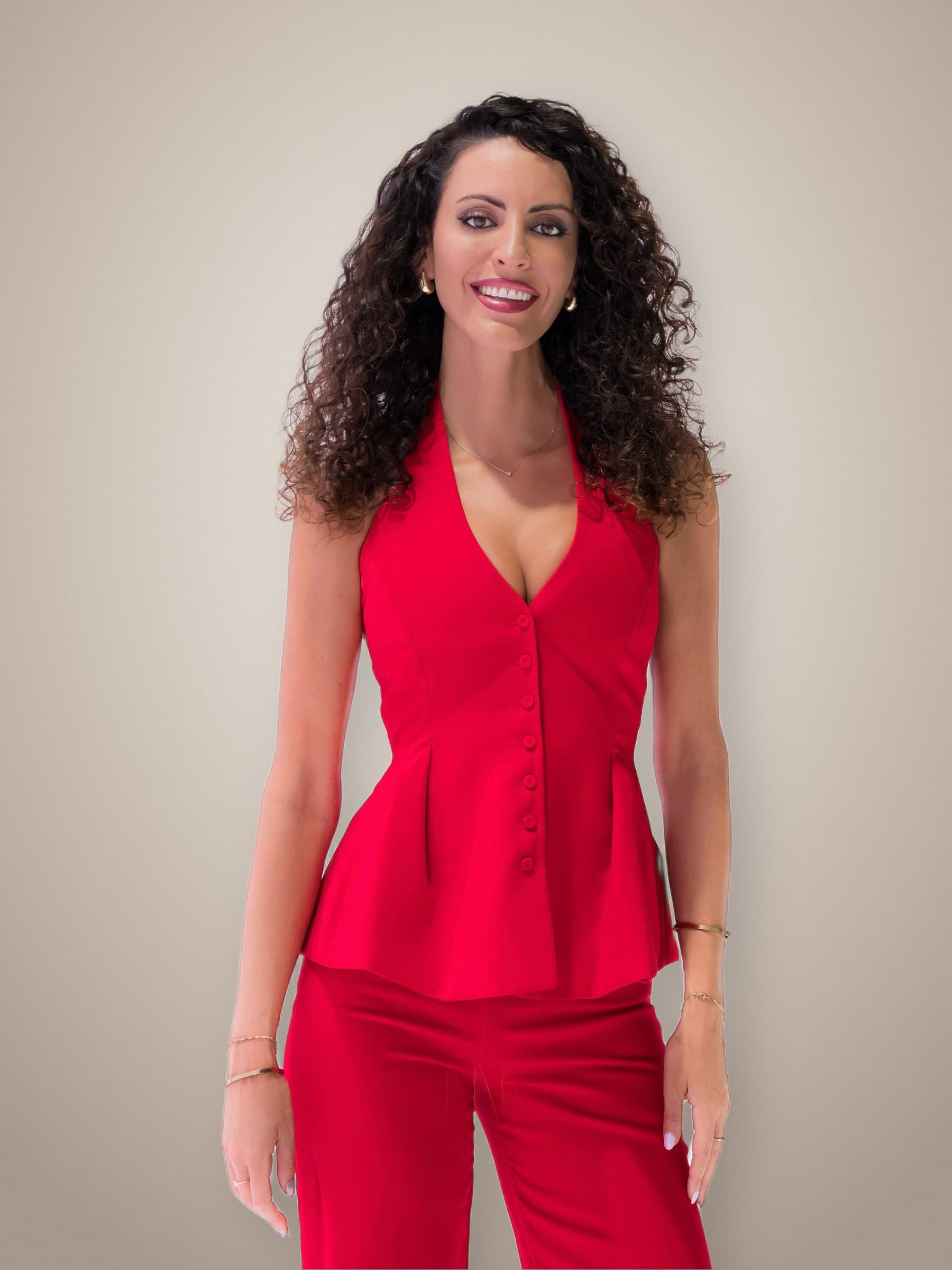
Jasmin Wölke
Jasmin Wölke is a conference moderator and speaker. She spent more than ten years at Bosch, SAP and the Volkswagen Group in international sales and marketing. Today she hosts conferences, galas and corporate events in English and German.